Analog in-memory computing attention mechanism for fast and energy-efficient large language models
Leroux, Manea, Sudarshan, Finkbeiner, Siegel, Strachan & Neftci
↗Engineer · PhD Researcher
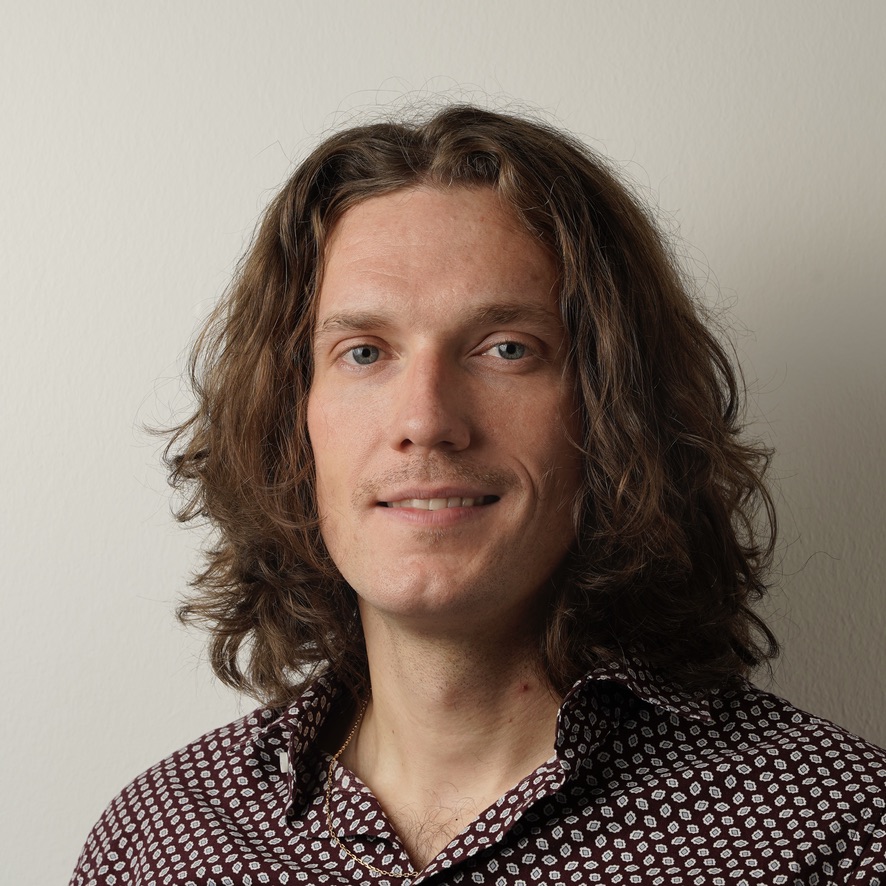
I develop novel computing architectures for AI, combining analog, in-memory and neuromorphic hardware to make intelligent systems faster and more sustainable.
01 / Publications
Leroux, Manea, Sudarshan, Finkbeiner, Siegel, Strachan & Neftci
↗Manea, Leroux, Neftci & Strachan
↗Manea, Sudarshan, Cüppers & Strachan
↗Yu, Manea, Ameli, Hizzani, Eldebiky & Strachan
↗02 / Projects
Generative AI
Gain-cell arrays store and process key-value data directly in memory, reducing the movement of data at the heart of Transformer inference.
Discover the work →Associative computing
Circuit and architecture research into fast, energy-efficient associative search using CMOS and emerging memristive technologies.
Discover the work →Circuit research
Connecting device non-idealities, analog circuit design and machine-learning models to build practical accelerators for sustainable AI.
My research profile →03 / Blog & notes
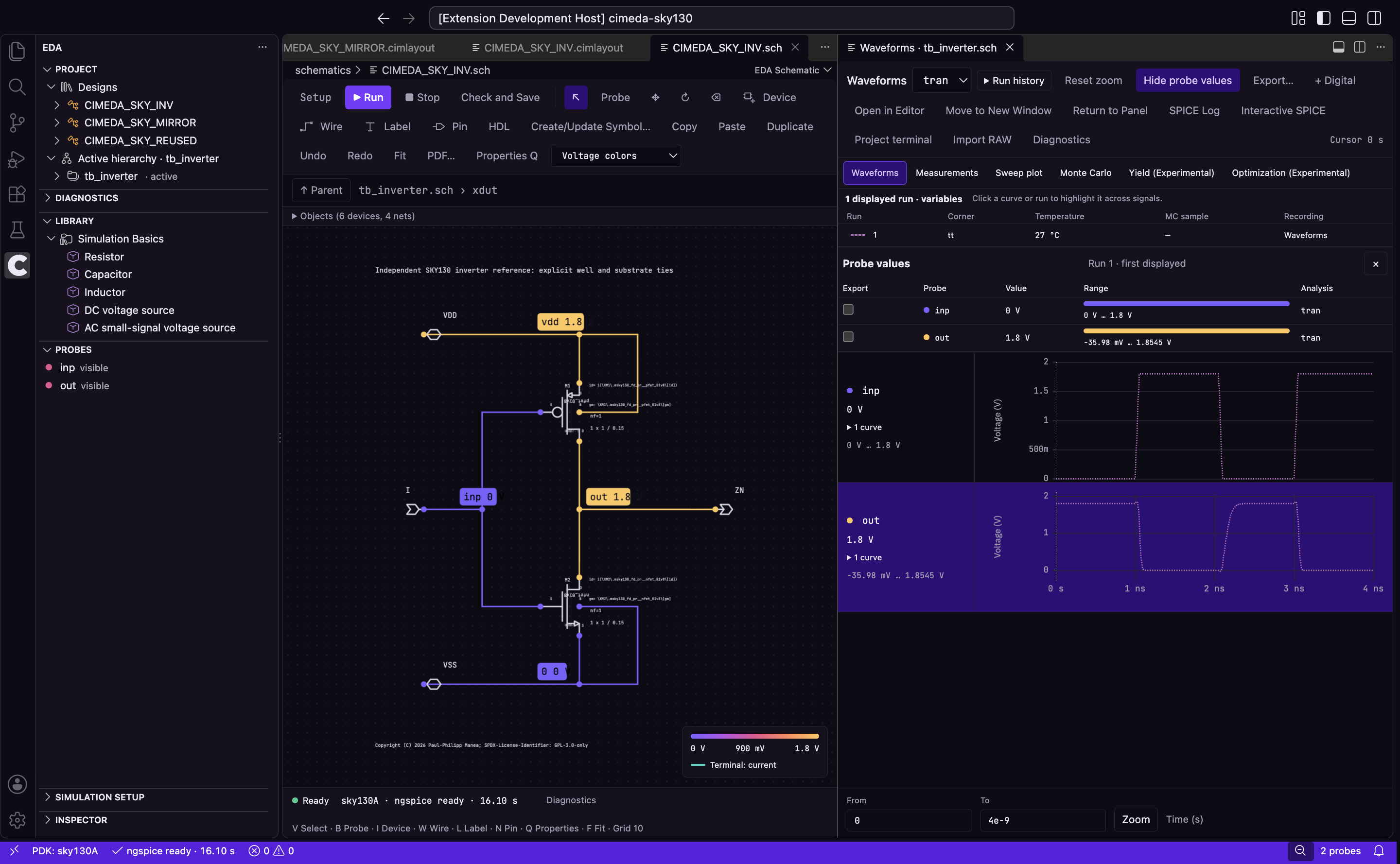
Bringing schematics, simulation and layout into one place—and looking for co-founders to build it with me.
More from my research
As language models grow, repeatedly moving their changing key-value cache becomes an energy and latency bottleneck. Gain cells offer a path to processing it where it is stored.
Read the paper →Our analog attention architecture demonstrates how circuit innovation and hardware-aware training can work together to retain model performance.
Read the preprint →04 / About me
I am an engineer and PhD researcher at Forschungszentrum Jülich and RWTH Aachen University.
My research focuses on dedicated hardware for AI: neuromorphic and mixed CMOS–memristive technologies, analog content-addressable memories and in-memory computing. The goal is to reduce the energy footprint of increasingly capable AI systems.
Before my PhD, I developed electronics for space applications and worked on the DESTINY+ Dust Analyzer. In 2025, I joined Hewlett Packard Enterprise Labs as a research intern, designing and validating analog and in-memory computing circuits.